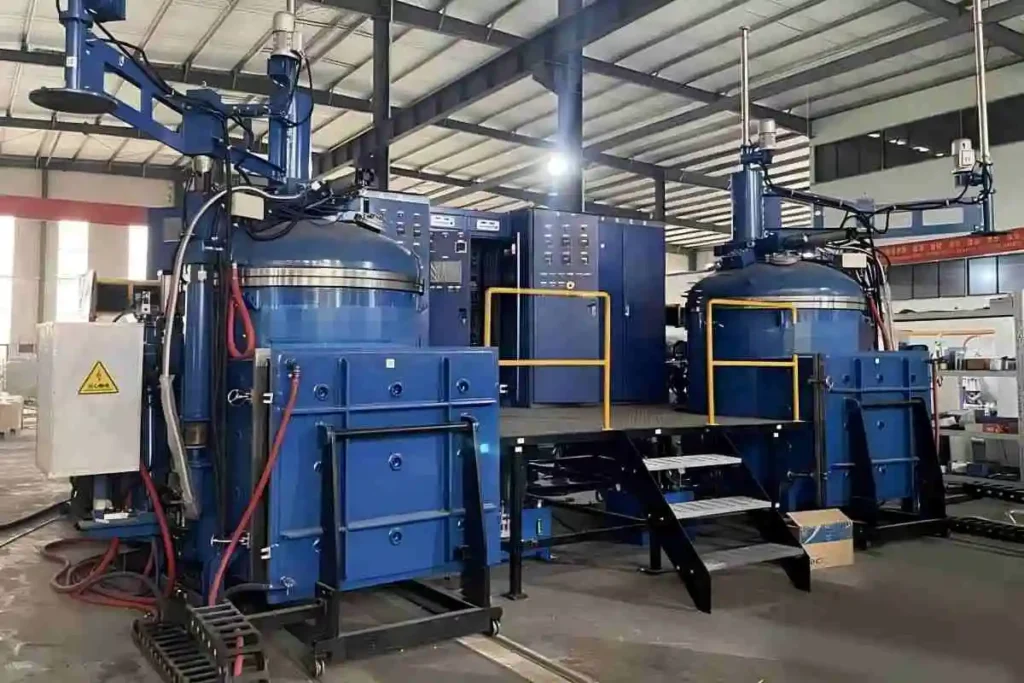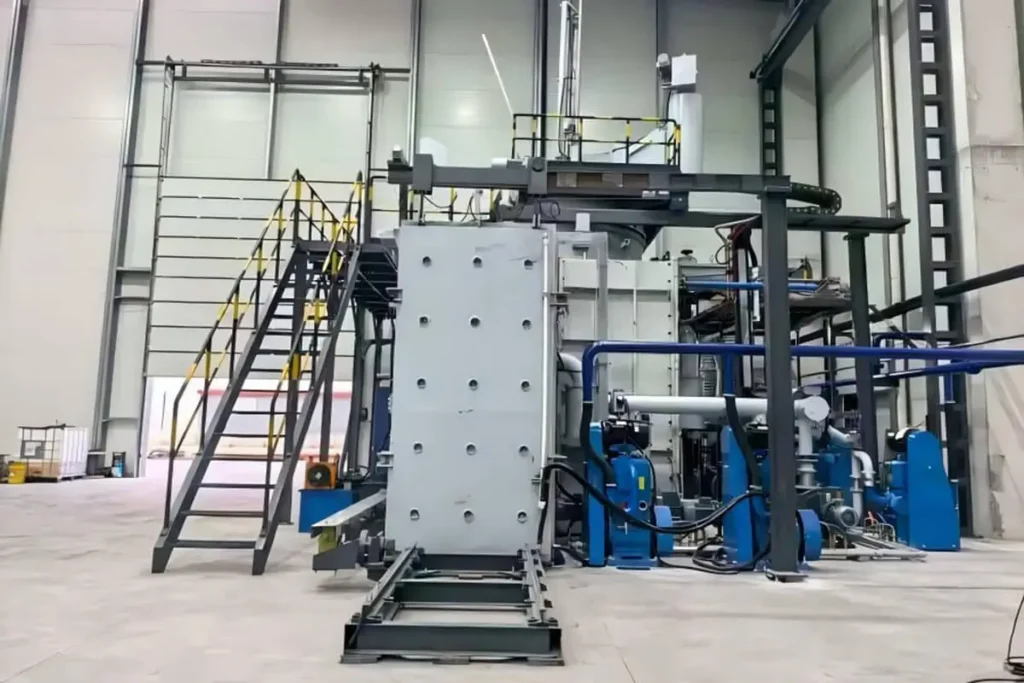
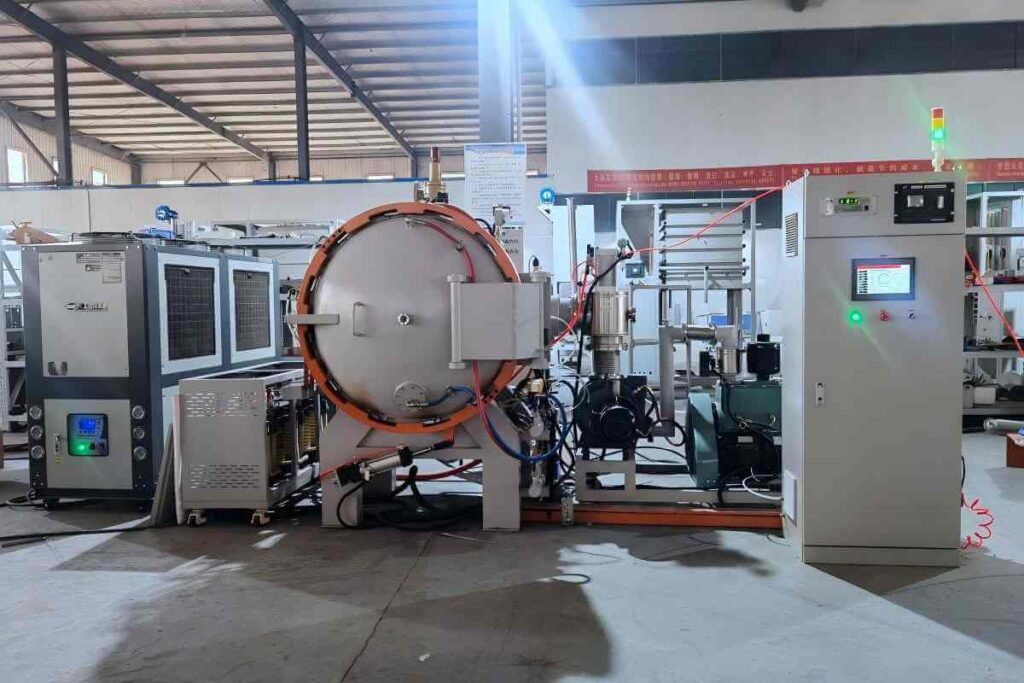
Industrial furnaces are among the most energy-intensive equipment in any manufacturing facility. Depending on the process and throughput, a single production furnace may consume tens or hundreds of kilowatts of electrical power continuously. For manufacturers running multiple furnaces around the clock, energy costs can represent a significant portion of total operating expenses.
The good news is that modern furnace design has made tremendous advances in energy efficiency over the past decade. From advanced insulation materials to intelligent control systems and heat recovery technologies, today’s industrial furnaces can deliver the same — or better — processing performance while consuming substantially less energy than older designs.
The Energy Loss Problem
To appreciate the value of modern efficiency improvements, it helps to understand where energy is lost in a conventional industrial furnace. The largest losses typically occur through the furnace walls and structure as conducted and radiated heat escapes to the environment, through the furnace door or openings each time they are opened, through exhaust gases carrying thermal energy out of the system, and through the furnace structure itself heating up and cooling down with each thermal cycle in batch furnaces.
In older furnace designs using conventional firebrick insulation, a large portion of the total energy input goes into heating the thermal mass of the lining itself, rather than heating the product. This is energy that is wasted at the end of each cycle as the furnace cools.
Ceramic Fiber Insulation: A Game Changer
The replacement of traditional dense firebrick with lightweight ceramic fiber insulation has been one of the most impactful advances in furnace energy efficiency. Ceramic fiber has a thermal conductivity roughly 5–10 times lower than dense refractory brick, dramatically reducing heat transmission through the furnace walls.
More importantly, ceramic fiber has a much lower thermal mass. This means the furnace lining absorbs far less heat during each heating cycle, and far less energy is wasted when the furnace cools. For batch processes with frequent thermal cycling, switching to ceramic fiber insulation can reduce energy consumption by 30–50% compared to equivalent firebrick-lined designs.
Multi-Zone Heating and PID Control
Modern furnaces use multi-zone heating systems with independent PID control in each zone, allowing precise management of the temperature profile throughout the furnace. By delivering power only where and when it is needed, multi-zone control eliminates the energy waste associated with over-heating regions of the furnace to compensate for under-heating elsewhere.
Advanced PID controllers with self-tuning algorithms continuously adapt the control parameters to changes in load mass, thermal cycle, and ambient conditions. This reduces temperature overshoot — a common source of energy waste and product quality issues — and ensures that the furnace reaches setpoint temperature efficiently without unnecessary energy expenditure.
Heat Recovery Systems
For furnaces with significant exhaust gas flows — including gas-fired furnaces and atmosphere furnaces with continuous gas purging — heat recovery systems can capture thermal energy from the exhaust and return it to the process. Recuperators and regenerative burners are well-established technologies that preheat incoming combustion air using waste heat from exhaust gases, reducing fuel consumption by 20–40%.
For electrically heated furnaces, heat recovery is more complex but still achievable. In some designs, cooling water from the furnace structure is passed through a heat exchanger to recover thermal energy for space heating or process water preheating, improving the overall energy efficiency of the facility.
Smart Scheduling and Standby Modes
Many manufacturers overlook the energy savings available through intelligent furnace scheduling. A furnace held at processing temperature during weekends, holidays, or production gaps wastes substantial energy. Modern furnace control systems offer programmable standby modes that reduce temperature to a lower holding setpoint during planned downtime, then automatically ramp back to processing temperature in time for the next shift.
Some advanced systems integrate with plant-level manufacturing execution systems (MES) to schedule furnace cycles based on actual production demand, minimizing idle time at full temperature. These smart scheduling approaches can reduce energy consumption by 15–25% in facilities with variable production schedules.
Quantifying the Savings
For a typical batch vacuum furnace operating 16 hours per day and consuming 50 kW average power, upgrading from a firebrick-lined design to a ceramic fiber design with modern PID control and a smart standby scheduler might reduce average power consumption to 30–35 kW. At an electricity cost of $0.12 per kWh, this represents an annual saving of approximately $12,000–$18,000 per furnace. For a facility with five or ten furnaces, the cumulative savings are substantial.
Beyond the direct cost savings, reduced energy consumption also shrinks the facility’s carbon footprint — an increasingly important consideration for manufacturers committed to sustainability targets.
Conclusion
Energy efficiency in industrial furnaces is no longer just an environmental virtue — it is a competitive necessity. Modern furnace designs incorporating ceramic fiber insulation, multi-zone PID control, heat recovery, and intelligent scheduling deliver meaningful reductions in operating costs without compromising process performance. When evaluating new furnace investments, total cost of ownership — including energy consumption over the furnace’s operating life — should always be part of the analysis.