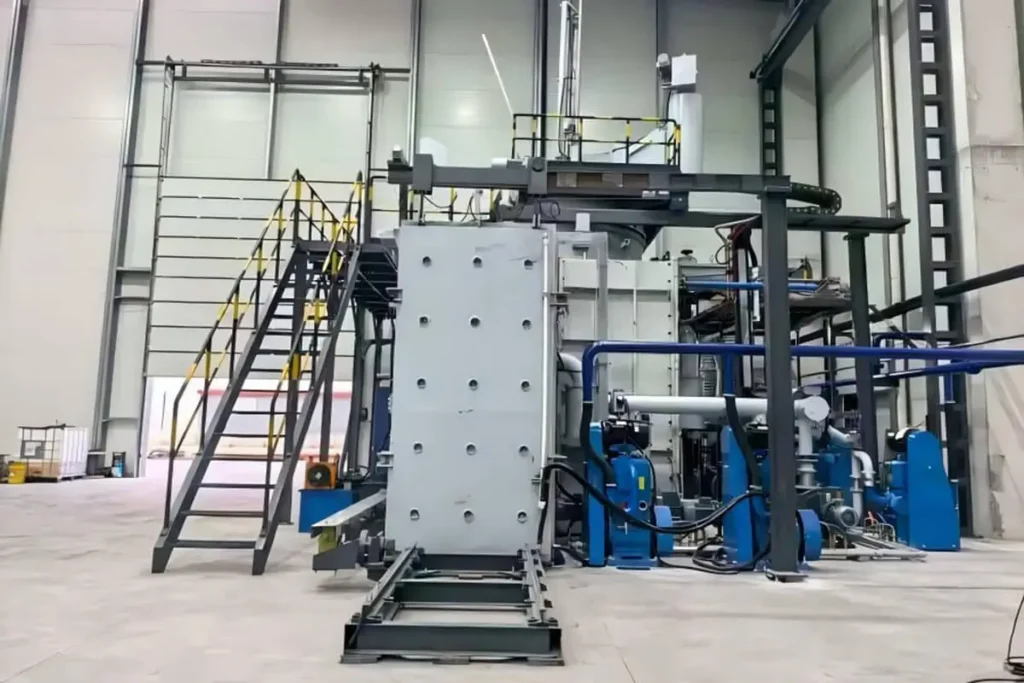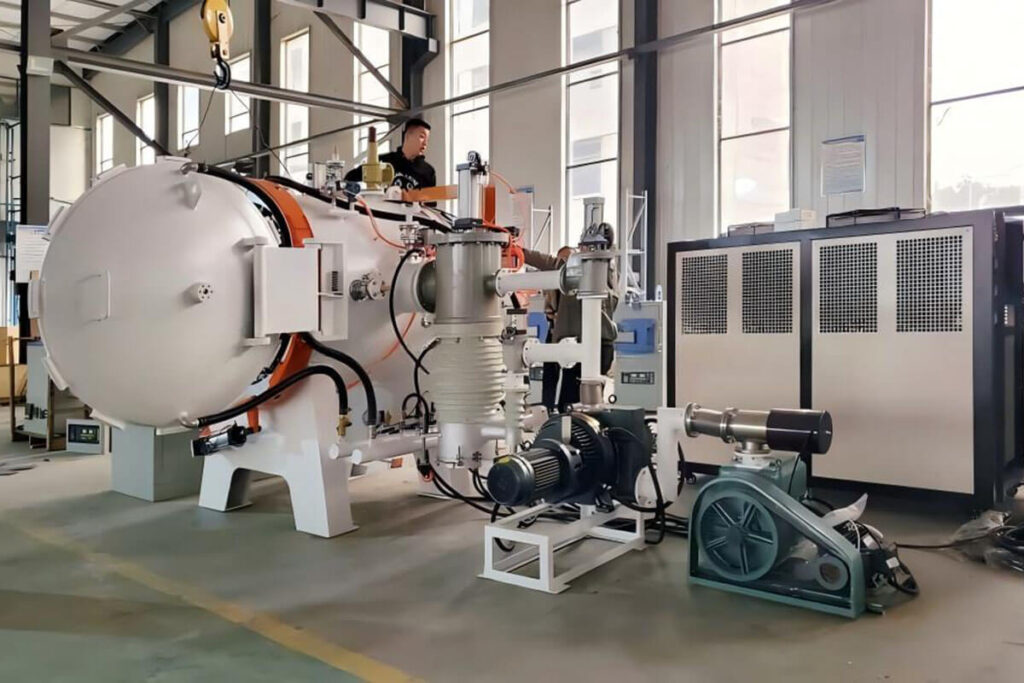
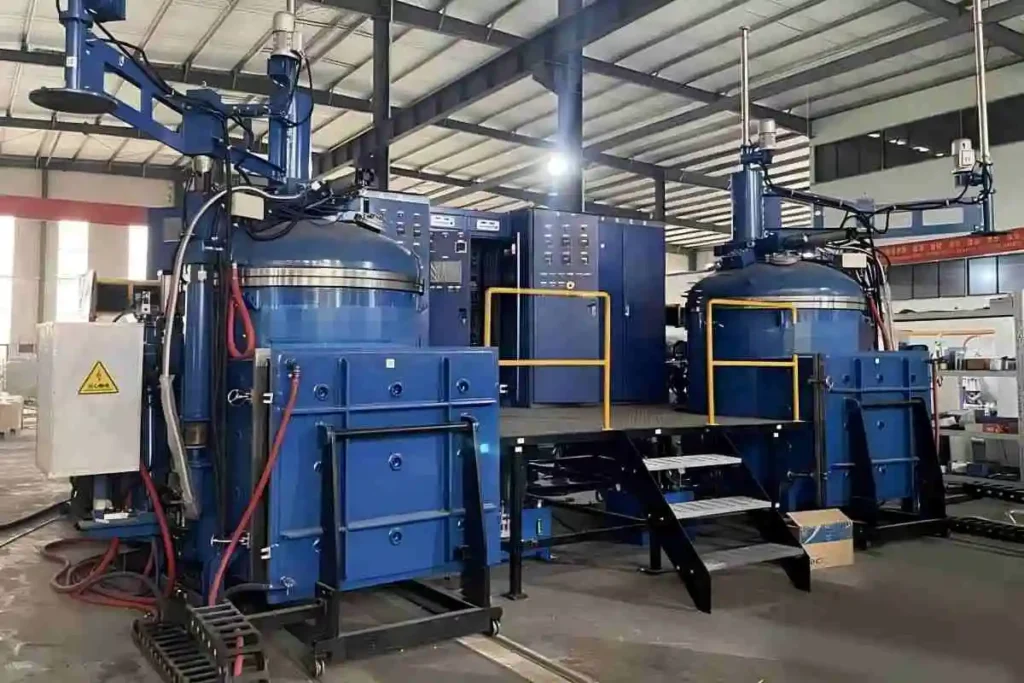
The global transition to electric vehicles, grid-scale energy storage, and portable electronics has ignited unprecedented demand for lithium-ion and next-generation solid-state batteries. Behind every battery cell is a complex manufacturing process that depends critically on precision thermal processing — and at the heart of that thermal processing is the industrial furnace.
For furnace manufacturers and battery producers alike, understanding the role of furnaces in battery manufacturing is essential. This article explores the key furnace applications in the lithium battery supply chain, the technical requirements that make battery-grade thermal processing uniquely demanding, and the market opportunity that this growing sector represents.
The Battery Manufacturing Process: Where Furnaces Fit
The manufacture of a lithium-ion battery involves numerous steps, several of which require precise thermal processing. From the production of active cathode materials to the fabrication of solid electrolytes and the formation of battery cells, furnaces play an indispensable role at multiple stages.
Cathode Material Calcination
The cathode is the heart of a lithium-ion battery cell, and its performance — energy density, cycle life, and thermal stability — is largely determined by the crystal structure of the cathode active material (CAM). Common CAMs include lithium nickel manganese cobalt oxide (NMC), lithium iron phosphate (LFP), and lithium cobalt oxide (LCO).
All of these materials are produced by a high-temperature calcination process in which precursor powders are heated in a controlled atmosphere to develop the desired crystal phase. NMC calcination typically occurs at 700–900°C in an oxygen-rich atmosphere. LFP synthesis requires reducing or inert conditions to prevent over-oxidation of iron. LCO calcination for high-voltage applications may require temperatures up to 1,000°C or above.
The atmosphere conditions during calcination are critical. Even small deviations in oxygen partial pressure can produce secondary phases that degrade electrochemical performance. Rotary kilns and roller hearth atmosphere furnaces are commonly used for large-scale production, while laboratory-scale development relies on tube furnaces and muffle furnaces with precise atmosphere control.
Anode Material Processing
Silicon, graphite, and silicon-graphite composite anodes all require thermal processing during manufacture. Natural graphite purification involves high-temperature treatment to remove impurities. Synthetic graphite production requires graphitization at temperatures up to 2,800–3,000°C in inert atmosphere — among the most demanding thermal processes in any industry.
Silicon-based anode materials, which offer significantly higher theoretical capacity than graphite, are processed at more modest temperatures but require tight atmosphere control to prevent oxidation of the silicon surface, which can inhibit lithium transport and reduce cycle life.
Solid-State Battery Electrolyte Sintering
Solid-state batteries — widely regarded as the next generation of energy storage technology — replace the liquid electrolyte of conventional lithium-ion cells with a solid ceramic or glass-ceramic electrolyte. This electrolyte must be dense, defect-free, and ionically conductive, which requires careful high-temperature sintering.
Common solid electrolyte materials include garnet-type lithium lanthanum zirconium oxide (LLZO), NASICON-type lithium aluminum titanium phosphate (LATP), and sulfide-based electrolytes. LLZO sintering requires temperatures of 1,100–1,200°C in controlled atmosphere, often with added lithium source to compensate for lithium volatilization. Sulfide electrolytes are highly moisture-sensitive and require processing in dry inert gas conditions.
The stringent requirements of solid electrolyte sintering — high temperature accuracy, excellent atmosphere control, and moisture exclusion — demand purpose-designed atmosphere or vacuum furnaces rather than standard commodity equipment.
Electrode Drying and Formation
Before cell assembly, battery electrodes — coated aluminum foil for cathodes and copper foil for anodes — must be thoroughly dried to remove moisture and solvent residues. Residual moisture is particularly harmful to lithium batteries because it reacts with the electrolyte and lithium metal to produce hydrogen fluoride and other degradation products.
Electrode drying is performed in vacuum ovens or continuous drying furnaces with carefully controlled temperature profiles. The drying temperature must be high enough to remove all moisture rapidly but not so high as to damage the electrode coating or current collector foil.
Market Opportunity for Furnace Manufacturers
The global lithium-ion battery market is projected to grow dramatically through 2030 and beyond, driven by electric vehicle adoption, renewable energy storage deployment, and consumer electronics demand. This growth translates directly into expanding demand for cathode and anode production equipment, including high-capacity calcination furnaces, graphitization furnaces, and solid electrolyte sintering systems.
For atmosphere and tube furnace manufacturers, the battery sector represents an opportunity to supply equipment for laboratory-scale R&D — where researchers are developing next-generation materials — as well as for pilot-scale and production-scale manufacturing lines. Battery material developers often begin with small tube or muffle furnaces for initial synthesis and characterization, then scale to larger rotary or roller-hearth atmosphere furnaces as production volumes grow.
Differentiating factors for furnace suppliers in the battery market include precise atmosphere control (particularly for oxygen and moisture levels), high temperature uniformity, programmable multi-step thermal profiles, and compatibility with scale-up to production volumes. Data logging and traceability capabilities are also increasingly valued as battery manufacturers implement quality management systems required by automotive customers.
Conclusion
The lithium battery industry is one of the fastest-growing and most demanding markets for industrial furnace technology. From cathode calcination to solid electrolyte sintering, furnaces are indispensable at every stage of battery material production. For furnace manufacturers with the capability to deliver precise atmosphere control, high temperature uniformity, and scalable designs, the battery sector represents a significant and rapidly expanding business opportunity. Now is the time to understand this market and position your products to serve it.