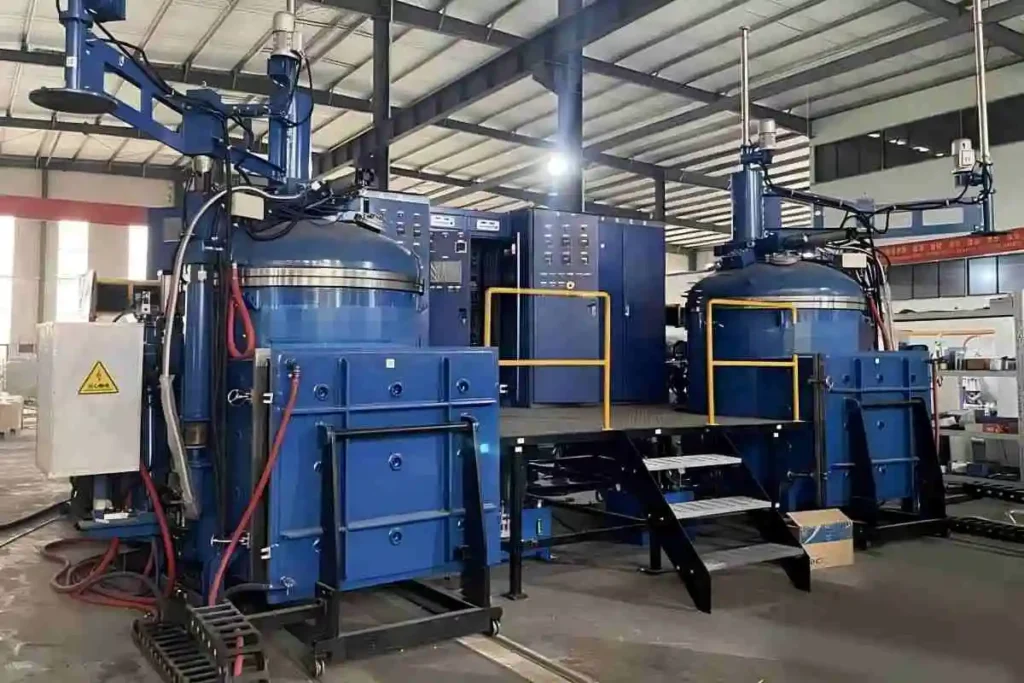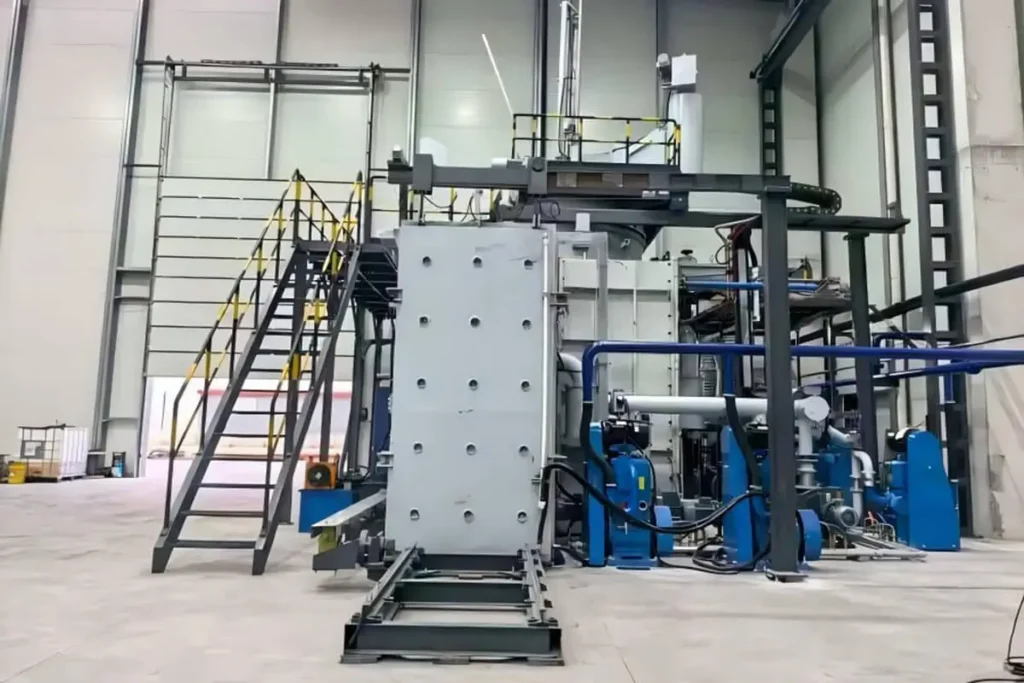
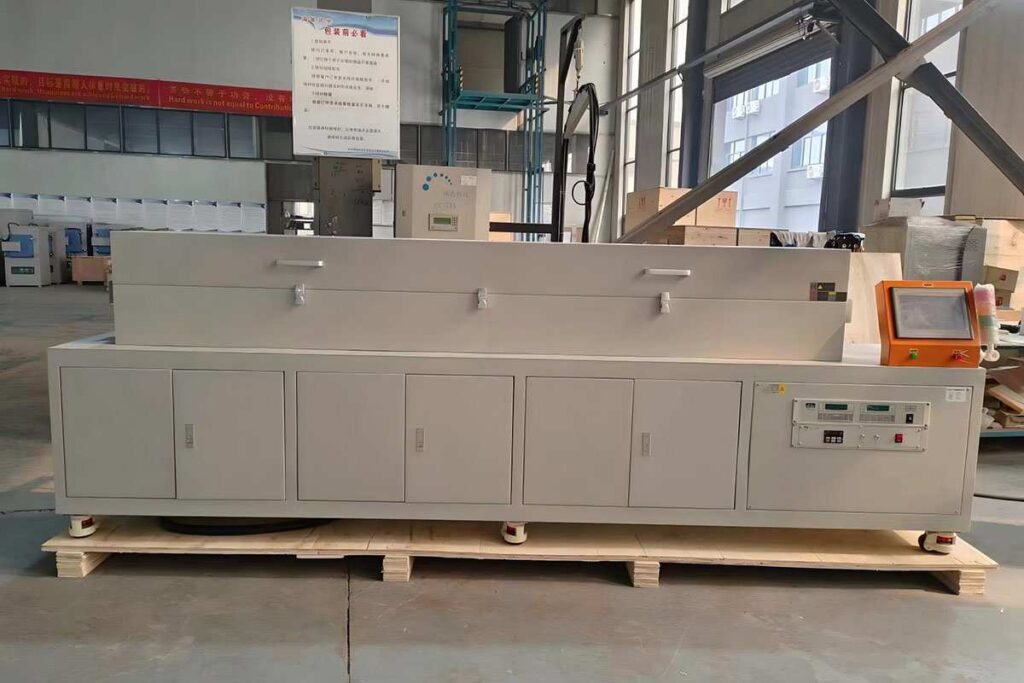
One of the defining features of an atmosphere furnace is its ability to process metals in a carefully controlled gas environment, preventing oxidation and enabling specific metallurgical reactions. The choice of protective gas is not trivial — the wrong atmosphere can cause surface contamination, undesirable phase changes, or even dangerous reactions. Understanding which gas is right for your metal and your process is essential for achieving consistent, high-quality results.
This guide covers the most common protective gases used in atmosphere furnaces and matches them to the metals and processes they are best suited for.
Why Atmosphere Control Matters
At elevated temperatures, most metals react readily with oxygen and moisture in the air, forming oxides, hydroxides, or other surface compounds that degrade mechanical properties and surface finish. In an atmosphere furnace, air is displaced by a controlled gas mixture that either prevents oxidation (protective atmosphere) or promotes a specific chemical reaction (reactive atmosphere).
Getting the atmosphere right is particularly important in processes such as sintering, annealing, brazing, and carburizing, where the surface chemistry of the metal directly determines the final product quality.
Nitrogen (N₂) — The Versatile Workhorse
Nitrogen is the most widely used protective gas in atmosphere furnaces, valued for its low cost, wide availability, and general inertness. It effectively prevents oxidation for a broad range of ferrous and non-ferrous metals at moderate temperatures. Common applications include annealing of stainless steel, copper, and brass, as well as sintering of iron-based powder metal parts.
However, nitrogen is not truly inert at all temperatures and for all metals. At temperatures above 900°C, nitrogen can react with certain metals — particularly titanium and reactive alloys — forming nitrides that embrittle the surface. For these applications, argon is the preferred alternative.
Hydrogen (H₂) — The Powerful Reducer
Hydrogen is a highly effective reducing gas that not only prevents oxidation but actively removes existing surface oxides, returning the metal surface to a clean, oxide-free state. This makes it particularly valuable in applications where the starting material has some surface oxidation that must be removed during the heat treatment process.
Hydrogen is commonly used in the bright annealing of copper wire and strip, reduction sintering of tungsten and molybdenum, high-temperature brazing of stainless steel assemblies, and reduction of metal powder prior to compaction. Because hydrogen is flammable and potentially explosive when mixed with air, strict safety protocols — including leak detection, purging procedures, and burn-off systems — are mandatory in any facility using hydrogen atmosphere furnaces.
Argon (Ar) — The True Inert Gas
Argon is a noble gas that does not react chemically with any metal under any temperature condition encountered in industrial furnaces. This makes it the gold standard for processing highly reactive metals such as titanium, zirconium, niobium, and reactive superalloys where even trace amounts of nitrogen can cause embrittlement.
The main disadvantage of argon is its cost — it is significantly more expensive than nitrogen. As a result, argon is typically reserved for high-value applications where the cost of a contaminated or failed part far exceeds the gas cost. It is widely used in aerospace component annealing, sintering of titanium-based powder materials, and heat treatment of specialty alloys.
Endothermic Gas — The Carburizing Atmosphere
Endothermic (endo) gas is generated by reacting a hydrocarbon fuel — typically natural gas or propane — with air over a catalyst at high temperature. The resulting gas mixture contains approximately 40% hydrogen, 40% nitrogen, and 20% carbon monoxide, with a precisely controlled carbon potential. This makes endo gas ideal for carburizing and carbonitriding processes, where carbon is intentionally diffused into the surface of steel components to create a hard, wear-resistant case.
Endothermic atmospheres are widely used in automotive manufacturing for the case hardening of gears, shafts, and camshafts. The carbon potential of the atmosphere must be carefully monitored and controlled, typically using an oxygen probe or dew point analyzer, to achieve the desired surface carbon level without over-carburizing.
Dissociated Ammonia — The Nitriding Gas
Dissociated ammonia (75% hydrogen, 25% nitrogen) is used primarily for gas nitriding and ferritic nitrocarburizing processes. Nitriding introduces nitrogen — and in some processes, carbon — into the surface of steel, creating an extremely hard, wear-resistant surface layer without the dimensional distortion associated with traditional case hardening.
This atmosphere is especially popular for processing die steels, injection molding tools, and precision gears where tight dimensional tolerances must be maintained through the heat treatment process.
Matching Gas to Metal: A Quick Reference
Copper and copper alloys respond well to nitrogen or hydrogen atmospheres for annealing. Stainless steel and nickel alloys are well suited to nitrogen-hydrogen mixtures for bright annealing and solution annealing. Titanium and reactive alloys require argon to prevent nitriding and oxidation. Carbon and alloy steels for case hardening use endothermic gas with controlled carbon potential. Tool steels and die steels for nitriding use dissociated ammonia. Tungsten and molybdenum components use hydrogen for reduction sintering.
Conclusion
Selecting the correct protective atmosphere is as important as setting the right temperature in an atmosphere furnace. The gas you choose directly determines the surface chemistry, microstructure, and performance of the processed part. Work closely with your furnace manufacturer and metallurgist to define the optimal atmosphere for your application, and invest in proper gas monitoring equipment to ensure consistency from batch to batch.